
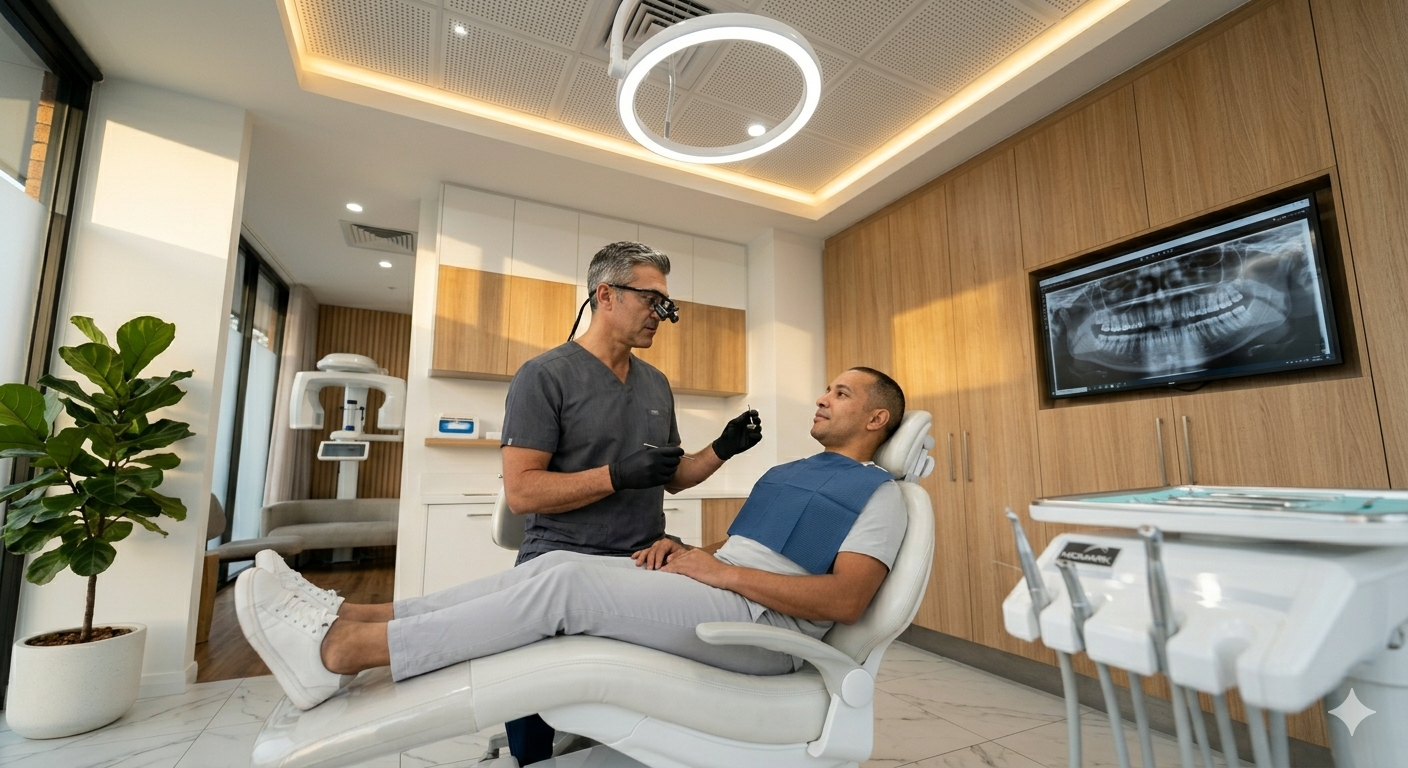
If dental visits make you tense or cause you to avoid care, sedation dentistry in Lititz, PA can help you get the treatment you need comfortably and calmly. Sedation options—from mild nitrous oxide to deeper oral or IV sedation—let you relax through procedures while the dental team monitors safety and comfort.
They will explain how different sedation types work, who qualifies, and what to expect before, during, and after your appointment so you can choose the right approach for your needs. Explore modern techniques, safety protocols, and practical tips for preparing and recovering to make your next visit easier and preserve your long-term oral health.
Many patients avoid dental care because of fear, past bad experiences, or worry about pain and loss of control. Recognizing the specific causes and signs of anxiety helps match patients with the right sedation options and more comfortable visits.
Fear often stems from a prior painful procedure, like an emergency extraction or an inadequately numbed filling. Loud drilling, the smell of materials, and a feeling of vulnerability in the chair can trigger strong reactions.
Medical concerns also matter: patients with strong gag reflexes, sensitive teeth, or jaw pain may anticipate discomfort and avoid care. Childhood experiences — especially if a caregiver conveyed fear — can create long-lasting avoidance patterns.
Practical worries play a role too. Busy schedules, cost concerns, and fear of being judged for poor oral health lead some to delay visits until problems worsen. Identifying the primary worry — pain, embarrassment, time, or medical sensitivity — guides a personalized approach to sedation and communication.
Avoiding routine cleanings and early treatment lets small issues progress into larger problems like deep decay, abscesses, and tooth loss. Untreated gum disease increases the risk of bone loss around teeth and may complicate systemic health conditions such as diabetes.
Anxiety-driven avoidance also raises the chance of emergency visits for severe pain, which often require more extensive procedures and longer recovery. Repeated delayed care increases overall treatment costs and may limit options for conservative restorations.
Addressing anxiety early through behavioral techniques, scheduling strategies, and sedation options preserves tooth structure, lowers long-term costs, and reduces the need for complex dental work.
Physical signs include rapid heartbeat, sweating, trembling, or faintness at the thought of dental visits. Patients who need multiple appointments but cannot remain still, or who have a strong gag reflex or severe jaw tension, often benefit from sedation.
Behavioral clues matter: procrastination of appointments, canceling at the last minute, or reporting nightmares about dental visits indicate persistent anxiety. High pain sensitivity, a history of traumatic dental care, or complex procedures like full-mouth restorations make sedation a practical choice.
Discussing these signs with a dentist allows assessment of appropriate options — nitrous oxide for mild anxiety, oral sedatives for moderate fear, or IV sedation for extensive procedures or severe phobia.
Patients in Lititz can choose from several sedation options depending on anxiety level, procedure complexity, and medical history. Each method differs in how it’s administered, how deeply it sedates, and what preparations or aftercare it requires.
Nitrous oxide (laughing gas) provides light to moderate sedation and works quickly when inhaled through a small mask over the nose. It reduces anxiety and gag reflex without putting the patient to sleep; most people remain awake and responsive, able to answer questions or follow simple instructions.
Onset and recovery are fast—sedation begins within minutes and wears off within 5–10 minutes after the mask is removed. Patients can usually drive themselves home unless combined with other sedatives. Common side effects include mild nausea, dizziness, or a tingling sensation; serious reactions are rare.
Clinics monitor oxygen levels and vital signs during use. Nitrous oxide is safe for many adults and children, but dentists will review pregnancy, COPD, or recent middle-ear surgery before recommending it.
Oral sedation involves taking a prescribed pill—commonly a benzodiazepine like triazolam or diazepam—about 30–90 minutes before the appointment. It produces moderate sedation: patients feel drowsy and relaxed and may have limited memory of the procedure, but they typically remain conscious.
Effects last several hours, so patients must arrange for a responsible adult to drive them home and stay for a short recovery. Dosage depends on weight, age, health conditions, and whether other medications are in use. Dentists review medical history to avoid harmful interactions, especially with opioids, antidepressants, or alcohol.
Side effects include lingering grogginess, reduced coordination, and, rarely, paradoxical agitation. Dentists provide pre-visit instructions on fasting, medication timing, and which daily drugs to pause for safety.
IV sedation delivers sedative drugs directly into a vein, producing rapid, controllable moderate to deep sedation suitable for lengthy or complex procedures. Patients often feel heavily sedated, relaxed, and may have little to no memory of the treatment; vital signs and oxygen are monitored continuously.
Because the sedation level can be adjusted in real time, IV is useful for patients with severe dental anxiety, extensive dental work, or medical conditions that complicate local anesthesia. Recovery takes longer than nitrous or oral sedation; patients need a companion to drive them home and should avoid work or important tasks for 24 hours.
Before IV sedation, the dental team reviews heart, lung, and medication history and may require fasting for 6–8 hours. Risks include respiratory depression, nausea, and very rarely allergic reactions; trained staff and emergency equipment are always available.
Sedation dentistry reduces fear, controls pain, and helps patients tolerate longer or more complex procedures. It lets dentists work precisely while patients remain calm, comfortable, and cooperative.
Sedation lowers anxiety by affecting brain pathways that trigger fear and memory for many patients. For example, oral sedatives like triazolam produce drowsiness and reduce recall, while nitrous oxide provides rapid-onset relaxation that wears off within minutes after inhalation stops. This means patients often feel little to no stress before and during injections, drilling, or other interventions.
Dentists monitor vital signs and adjust doses to keep patients within a safe, comfortable level of sedation. Local anesthesia still numbs the treatment area, so sedation complements pain control rather than replaces it. Patients with strong gag reflexes, dental phobia, or past traumatic dental experiences typically report more positive, less traumatic visits when sedation is used.
Sedation enables dentists to complete multiple procedures in fewer visits because patients tolerate longer appointments with less movement. For instance, a dentist can place several crowns or treat multiple cavities in one session instead of spreading them over multiple appointments. This reduces total chair time and the number of pre- and post-visit disruptions to daily life.
Clinicians also work more efficiently when patients are relaxed and still, improving precision for tasks like crown preparation or implant placement. Staff streamline workflows around monitored sedation—pre-op assessment, intra-op monitoring, and post-op recovery—to maintain safety while maximizing procedural progress.
Patients should expect a clear screening process to determine candidacy and safety for sedation. The dental team will review medical history, current medications, and any previous reactions to sedatives to choose the right option.
Most adults with moderate dental anxiety, strong gag reflex, or a need for complex or lengthy procedures qualify for some level of sedation. Dentists commonly offer nitrous oxide (laughing gas), oral sedatives (like low-dose benzodiazepines), and intravenous (IV) sedation; the choice depends on anxiety level, procedure length, and medical history.
Children may receive nitrous oxide or oral sedation under specific pediatric protocols; older children sometimes get IV sedation or general anesthesia when necessary. Pregnant patients usually avoid elective sedation, especially in the first trimester; urgent care requires consultation with obstetric providers.
Patients with severe anxiety, low pain tolerance, or sensory sensitivities often benefit from sedation combined with local anesthesia. The practice confirms fasting rules, arranges post-procedure transportation for moderate-to-deep sedation, and provides written pre- and post-op instructions.
The dental team asks about heart disease, respiratory conditions (like COPD or asthma), liver or kidney disease, and sleep apnea because these conditions affect sedative choice and dose. For instance, patients with severe sleep apnea may not be candidates for deep sedation due to airway risks; lighter sedation or scheduling with an anesthesiologist may be recommended.
Medications such as opioids, antidepressants, anticonvulsants, and certain antibiotics can interact with sedatives. Dentists request a complete medication list, including over-the-counter drugs and herbal supplements like St. John’s Wort or valerian, which can alter sedative effects.
Blood pressure, oxygen saturation, and heart rate are monitored during procedures; facilities offering IV or deep sedation maintain emergency equipment and staff trained in advanced airway management. If a patient has uncontrolled diabetes or a recent cardiac event, the office often coordinates with the patient’s physician before proceeding.
Patients should prioritize safety, clear communication, and local experience when selecting a sedation dentist. Practical factors like office accreditation, staff training, and transparent pricing also matter for a comfortable visit.
Look for a dentist licensed in Pennsylvania with documented sedation training—such as certification in nitrous oxide, oral conscious sedation, or IV sedation. Verify membership in professional groups like the American Dental Association or the Academy of General Dentistry for ongoing education.
Confirm the office maintains current ACLS/BLS certification for clinicians and that monitoring equipment (pulse oximeter, blood pressure cuff) is used during sedation. Ask whether the facility is accredited by a recognized body or follows state guidelines for sedation dentistry.
Evaluate staff experience with anxious patients and whether the practice offers pre-visit consultations, written sedation plans, and clear recovery instructions. Check patient reviews for punctuality, follow-up care, and how the team handles medical histories and medication interactions.
Ask exactly which sedation options the dentist offers and why one is recommended for the planned procedure. Request specifics: drug names, typical dosages, onset and recovery times, and who will administer and monitor sedation.
Inquire about the dentist’s training: how many sedation cases they perform monthly, their certification credentials, and protocols for emergencies. Ask whether an anesthesiologist is present for deeper sedation or complex medical histories.
Clarify logistics: pre-procedure fasting rules, medication adjustments (especially for blood thinners or diabetes meds), transportation requirements, and estimated total visit length. Confirm costs, insurance coverage, cancellation policies, and what follow-up care looks like after sedation.
Patients should understand the paperwork, medication instructions, and arrival logistics so their appointment goes smoothly. Clear communication with the dental team about medical history, current medications, and transportation needs prevents delays and increases safety.
Call the office at least 72 hours before the appointment to confirm the type of sedation planned (nitrous oxide, oral sedative, or IV sedation) and any pre-visit instructions specific to that method. Provide a complete medication list, including over-the-counter drugs, supplements, and herbal products like St. John’s Wort or ginkgo, which can interact with sedatives.
Report recent illnesses, sleep apnea, pregnancy, or a history of adverse reactions to anesthesia. If the patient uses CPAP, bring device details. Follow fasting instructions closely: generally no solid food 8 hours before IV or oral sedation and no clear liquids 2 hours prior, unless the clinic gives different directions.
Ask about post-op prescriptions and payment/insurance policies ahead of time. Arrange a responsible adult to drive the patient home and stay for the first hour after discharge. Plan light activity for the rest of the day and avoid operating machinery or signing legal documents for 24 hours if sedatives are used.
Bring a current photo ID, insurance card, and the medication list the office requested. Wear loose, comfortable clothing with short sleeves or sleeves that can be rolled up for IV access. Avoid wearing makeup, heavy cologne, or jewelry that might interfere with monitoring equipment.
Expect vital sign checks on arrival: blood pressure, heart rate, oxygen saturation, and a quick airway assessment. The clinician will review consent forms and answer last-minute questions. For oral sedation, the staff will confirm when to take the pill; for IV sedation, an IV will be placed and monitored continuously.
Recovery typically takes 30–60 minutes in the office for moderate sedation, longer if deeper sedation is used. The patient will need a companion to drive them home and remain with them for several hours. The clinician will provide written aftercare instructions and a phone number for questions or concerns.
Most patients recover quickly when they follow clear instructions, rest, and take prescribed medications. Monitoring for bleeding, swelling, and drowsiness helps prevent complications and speeds return to normal activities.
After sedation dentistry in Lititz, PA, patients should arrange a responsible adult to drive them home and stay with them for at least 6–12 hours if deep sedation or general anesthesia was used. They must avoid signing legal documents, operating machinery, or making important decisions for 24 hours.
Follow medication directions exactly: take prescribed antibiotics and pain relievers at the scheduled times, and never mix sedatives or opioid pain medicines with alcohol. Start with bland, soft foods—yogurt, applesauce, or broth—and advance to solid foods as nausea and throat soreness subside. Keep the head elevated while resting to reduce swelling, and apply a cold pack for 10–15 minutes on, 10 minutes off during the first 24 hours if facial swelling occurs.
Maintain oral hygiene but be gentle near surgical sites. Use a soft toothbrush and rinse with a saline or antimicrobial rinse as instructed, typically 24 hours after extractions. Report heavy bleeding (soaking through a gauze pad every 30–45 minutes), a fever above 101°F (38.3°C), or severe uncontrolled pain to the dental office immediately.
Common side effects—drowsiness, dry mouth, mild nausea, and temporary dizziness—usually resolve within 24 hours after oral or IV sedation. Patients should plan to rest the day of the procedure and gradually resume normal activities the next day based on how they feel.
If nausea persists, sip clear liquids and eat small amounts of bland food; over-the-counter antiemetics can help if approved by the dental team. For dry mouth, increase water intake and chew sugar-free gum to stimulate saliva as tolerated. Avoid strenuous exercise, heavy lifting, and smoking for 48–72 hours after invasive work to lower the risk of bleeding and dry socket.
Keep follow-up appointments for suture removal or evaluation. If unusual symptoms appear—difficulty breathing, prolonged confusion, uncontrolled bleeding, or signs of infection—contact the dental office or local emergency services without delay. The team will provide tailored next steps and reassurance to help patients return to their usual routine safely.
Sedation dentistry in Lititz, PA, helps patients relax, but its advantages reach further than easing nerves. It often allows dentists to complete multiple procedures in a single visit, reducing total appointments and time off work.
For people with strong gag reflexes, limited jaw opening, or sensitivity to dental sounds, sedation makes treatment more comfortable and manageable. This leads to more thorough care because the dentist can work without repeated interruptions.
Sedation can improve outcomes for complex treatments like crowns, implants, or full-mouth restorations. When a patient remains still and relaxed, the dentist can focus on precision, which may lead to better-fitting restorations and fewer follow-up visits.
Patients with special healthcare needs or certain medical conditions often receive safer, more efficient care under sedation. Dentists coordinate with medical histories and monitor vital signs, tailoring sedation to minimize risks while optimizing comfort.
Common concerns about recovery are usually short-lived; most patients experience only mild grogginess and follow simple aftercare instructions. Dentists provide clear pre- and post-procedure guidance, including transportation arrangements and activity restrictions.
Consider asking a local Lititz dental office about sedation options, candidacy, and what to expect during a visit. A brief consultation can clarify benefits specific to an individual’s dental needs and comfort level.
Dentists in Lititz now offer a range of sedation options to match different anxiety levels and medical needs. Nitrous oxide, oral sedatives, and IV sedation provide predictable control of discomfort and memory during procedures.
Technology improves both comfort and outcomes. Digital impressions replace gag-inducing trays, and CBCT imaging lets clinicians plan treatments more precisely, reducing chair time and surprises.
Minimally invasive techniques preserve more healthy tooth structure. Laser dentistry and air abrasion treat decay with less vibration and often less need for anesthesia, which many patients appreciate.
Personalized care plans balance safety and comfort. Providers review medical history, sedation risks, and aftercare, ensuring the chosen method fits each patient’s health and preferences.
Modern monitoring standards increase safety during sedation. Continuous vital-sign monitoring and trained support staff reduce risk and allow for appropriate sedation levels tailored to the procedure.
Insurance and financing now sometimes cover comfort dentistry services. Patients should check benefits and ask the office about payment options to avoid unexpected costs.
Patients benefit from clear pre-visit instructions and calm, communicative staff. Simple steps—fasting guidance, medication review, and transportation plans—help ensure a smooth experience.
If questions remain or a consultation is needed, patients are encouraged to contact the dental office to discuss sedation choices and what to expect at their appointment.
Patients should schedule a consultation to discuss sedation options and a personalized treatment plan. During that visit, the dentist reviews medical history, answers questions, and explains what to expect before, during, and after treatment.
They should keep a checklist of questions to bring to appointments:
The office often offers a pre-visit phone call to explain logistics and sedation instructions. This reduces anxiety and ensures they arrive prepared.
Follow-up care matters. They will get clear aftercare instructions, including eating, driving, and symptom monitoring, to support safe recovery.
Patients can combine sedation with preventive care to limit future procedures. Regular cleanings, fluoride treatments, and targeted restorations preserve oral health and reduce the need for more invasive visits.
Insurance and financing options vary. The practice typically provides an estimate and discusses payment plans to make care accessible.
Encourage them to ask for a tour of the facility or meet the care team beforehand. Seeing the environment and meeting staff often eases concerns and builds trust.
They should call or message the practice to schedule the consultation, request paperwork, or submit questions about sedation levels. A simple next step like that moves them closer to a calmer, healthier dental experience.
These answers cover what patients can expect about awareness, the common sedation methods dentists use, safety and candidacy, preparation steps, recovery time and transport, and which procedures can use sedation. Each response gives practical details to help patients plan and discuss options with their dental team.
Patients under oral sedatives or nitrous oxide are usually awake but very relaxed and may have limited memory of the visit.
With IV sedation, many patients reach a deeper, sleep-like state; some remain semi-awake while others have little awareness.
General anesthesia, performed in an operating-room setting, renders a patient fully unconscious and is used much less often in dental offices.
Dentists will explain the intended level of sedation and monitor vital signs throughout the procedure.
Nitrous oxide (laughing gas) provides mild sedation and quick recovery; patients breathe it through a mask.
Oral sedatives, such as low-dose benzodiazepines, are taken before the appointment and produce moderate relaxation and partial memory loss.
IV sedation delivers medication directly into a vein for rapid, adjustable sedation and deeper relaxation.
General anesthesia is available for complex cases or specific medical needs, often in a hospital or ambulatory surgery center.
Sedation is generally safe when a licensed dental team evaluates medical history, current medications, and vital signs beforehand.
Good candidates include patients with severe dental anxiety, difficulty sitting still, a strong gag reflex, or those needing extensive dental work in one visit.
Patients with uncontrolled medical conditions, certain breathing disorders, or specific medication interactions may need additional medical clearance or alternative approaches.
The dentist or anesthesiologist will tailor the plan and may involve a primary care doctor for clearance when needed.
Follow the dentist’s fasting instructions exactly; many require no solid food for 6–8 hours and limited clear liquids up to two hours before IV or general sedation.
Take or skip regular medications only as the dental team advises, especially blood thinners, diabetes drugs, or sleep medications.
Arrange a responsible adult to drive you home and stay with you for several hours if you receive oral, IV, or general sedation.
Wear loose, comfortable clothing and bring a list of current medications and medical history for the appointment.
Recovery time varies: nitrous oxide wears off within minutes and patients can usually drive shortly after, while oral sedatives can cause drowsiness for 12–24 hours.
After IV sedation or general anesthesia, expect several hours of grogginess and slowed judgment; a responsible adult must drive the patient home.
Patients should avoid operating machinery, making legally binding decisions, or consuming alcohol for at least 24 hours after moderate or deeper sedation.
The dentist will give specific post-op instructions and a timeframe for when normal activities can resume.
Yes, sedation can be appropriate for routine cleanings or small fillings when anxiety prevents proper care or when previous trauma makes dental visits intolerable.
Dentists often use nitrous oxide or low-dose oral sedatives for shorter, less invasive visits.
For longer or multiple procedures in one appointment, dentists may recommend IV sedation to increase comfort and reduce total visits.
The choice depends on the patient’s anxiety level, medical history, and the expected complexity of the procedure.