
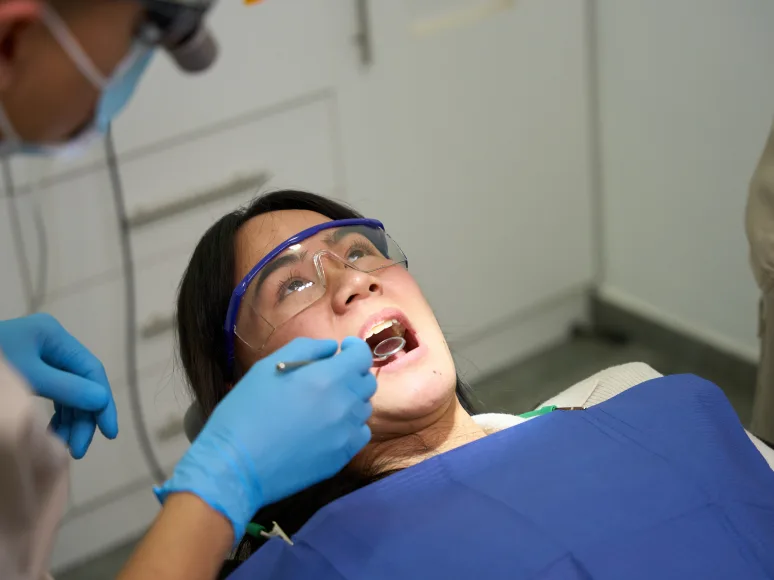
If you face a sudden toothache, broken tooth, or knocked-out tooth in Lititz, PA, act quickly and seek immediate care—local emergency dentists prioritize pain relief, infection control, and saving your tooth when possible. You can often get same-day treatment for acute pain, bleeding, or trauma from skilled professionals who use modern techniques and sedation options to make the visit comfortable.
This article explains how to recognize dental emergencies, what to do before you arrive, and the typical treatments you can expect, so you know when to go straight to an emergency dentist and what to bring. It also covers how offices in Lititz tailor care, ways to prevent future emergencies, and practical next steps to protect your smile.
This section explains how to spot dental problems that need prompt treatment, what symptoms commonly indicate an emergency, and clear guidance on when to seek immediate care.
Severe, persistent pain that wakes a patient at night or cannot be controlled with over-the-counter pain relievers often signals an infection or nerve involvement and requires prompt evaluation.
Visible trauma such as a tooth knocked out, fractured in a way that leaves sharp edges, or a crown/bridge completely dislodged should be treated quickly to improve the chance of saving the tooth or restoring the restoration.
Swelling of the face, jaw, or neck that appears suddenly and is increasing in size suggests spreading infection and can interfere with breathing or swallowing.
Continuous bleeding after a dental procedure or injury that does not stop with direct pressure for 10–15 minutes needs immediate attention to control blood loss.
Intense toothache described as throbbing, constant, or radiating into the ear or temple commonly indicates pulpitis or abscess formation and usually requires root canal therapy or drainage.
A darkening tooth after trauma or a tooth that feels loose without recent injury can point to internal damage or ligament injury needing assessment.
Pus, bad taste, or a bump on the gums (gum boil) indicates a localized abscess that often responds to drainage and antibiotics plus definitive dental treatment.
Difficulty breathing, high fever, or difficulty swallowing with oral swelling are red flags for deep-space infection and require emergency medical or hospital care as well as dental intervention.
If a permanent tooth is completely avulsed (knocked out), they should rinse it gently without scrubbing, keep it moist in milk or saline, and reach a dentist within 30–60 minutes for the best chance of reimplantation.
For uncontrolled bleeding, apply firm pressure with gauze and go directly to an emergency room or dental clinic if bleeding continues after 15 minutes.
If pain is severe enough to prevent eating or sleeping, or if pain is accompanied by facial swelling, fever, or spreading redness, patients should contact an emergency dental provider in Lititz, PA, or go to the nearest emergency department.
When in doubt about airway compromise, breathing difficulty, or swallowing problems, call 911 or seek immediate hospital care before dental follow-up.
Patients often face pain, structural damage, or lost restorations that need prompt attention to prevent infection and restore function. Quick assessment, pain control, and preservation of the tooth are the primary goals.
Severe toothaches often indicate infection, deep decay, a cracked tooth, or advanced gum disease. Pain may be constant, throbbing, worse with biting, or radiating to the jaw and ear; sensitivity to hot and cold that lingers is a common sign of pulp inflammation.
The urgent response focuses on pain control and diagnosing the cause. A clinician will take a focused history, perform a dental exam, and usually take an X-ray to check for abscess, root fracture, or extensive decay. Immediate treatments include prescription pain medication or antibiotics when infection is present, temporary filling or crown placement, and expedited root canal therapy when pulp infection is confirmed.
Home measures can reduce discomfort until the appointment: avoid very hot or cold foods, rinse with warm salt water, and use over‑the‑counter NSAIDs as directed. Patients with fever, facial swelling, or difficulty breathing or swallowing should seek emergency care immediately, as these signs may indicate spreading infection.
A chipped tooth ranges from minor enamel loss to large fractures exposing dentin or pulp. Symptoms vary from cosmetic concern and sharp edges to severe pain and bleeding if the nerve is exposed.
The dentist will evaluate the extent of the break with visual inspection and radiographs. Small chips often receive smoothening and composite bonding the same day. Larger fractures may require a crown to restore strength and appearance. If the pulp is exposed or there is persistent pain, root canal therapy followed by a crown is typically recommended to save the tooth.
Collect any broken fragments and bring them to the appointment; keeping them moist in milk or saline can help. Avoid chewing on the damaged side and protect sharp edges with dental wax or sugarless gum until treated.
A lost filling or crown exposes the underlying tooth to decay, sensitivity, and fracture risk. Patients commonly report sudden sensitivity to cold, a loose restoration, or food getting stuck at the site.
Treatment priorities are to protect the tooth and prevent further damage. The dentist will clean the cavity or tooth surface, assess for decay or fracture, and either re-cement the existing crown, replace it, or place a new filling. When the tooth structure is compromised, a new crown or onlay may be necessary for long‑term protection.
Temporary measures include avoiding sticky foods, covering rough edges with dental wax, and keeping the area clean with gentle brushing and saline rinses. Seeking care within 24–48 hours reduces the chance of needing more extensive treatment.
Act quickly and focus on stabilizing the situation: control pain, protect displaced teeth, and limit bleeding or swelling. Keep calm, gather necessary items (ID, list of medications, any avulsed tooth), and head straight to the emergency dental office.
Give the patient a dose of over-the-counter ibuprofen or acetaminophen according to the package directions and their medical history; avoid aspirin for children. Apply a cold pack wrapped in a thin cloth to the cheek for 10–15 minutes at a time to reduce pain and inflammation.
Rinse the mouth gently with warm salt water (1/2 teaspoon salt in 8 ounces of water) to clean debris. Avoid placing topical numbing gels deep in the throat; use sparingly and follow product directions. If the patient cannot swallow or shows signs of an allergic reaction after medication, seek emergency care immediately.
Find the tooth by the crown (the chewing surface), not the root. If dirty, rinse it gently with saline or milk for no more than 10 seconds; do not scrub, dry, or remove attached tissue fragments.
If possible, reinsert the tooth into the socket and hold it in place by biting a clean cloth or gauze. If reinsertion isn’t possible, store the tooth in milk, saline, or the patient’s saliva (inside the cheek) and get to the dentist within 30–60 minutes for the best chance of saving it. Bring the tooth and any fragments in a sealed container.
Control bleeding by placing clean gauze over the site and applying firm, continuous pressure for 10–20 minutes. If bleeding soaks through gauze, replace it and continue pressure; avoid rinsing vigorously, which can prolong bleeding.
For swelling, use an ice pack on the outside of the cheek in 10-minute on / 10-minute off cycles for the first 24 hours. If swelling is severe, causes trouble breathing, or is accompanied by fever, seek emergency medical care immediately and notify the dental office on the way.
Emergency dental care in Lititz, PA emphasizes fast, comfortable solutions that preserve teeth and reduce complications. Treatments focus on restoring function, identifying hidden problems with precise imaging, and controlling pain with gentle, evidence-based methods.
Same-day restorations often use CAD/CAM technology to design and mill crowns, onlays, or veneers during a single appointment. The dentist scans the tooth with an intraoral scanner, designs the restoration on a computer, and mills a ceramic piece in-office, eliminating temporary crowns and multiple visits.
Patients benefit from durable materials like lithium disilicate or zirconia that match tooth color and withstand chewing forces. Bonding protocols and occlusal adjustments occur immediately, so fit and bite are checked before the patient leaves. Same-day treatment reduces infection risk by sealing damaged teeth quickly and shortens total treatment time for urgent fractures or failed restorations.
Digital radiography provides high-resolution images with up to 80% less radiation than film X-rays, enabling rapid diagnosis of fractures, root involvement, and hidden decay. Cone beam CT (CBCT) can produce 3D images when complex trauma or suspected root fractures require detailed assessment.
These tools speed decision-making: the team can view images chairside, plan extractions, root canals, or implants, and explain findings to the patient using on-screen visuals. Digital diagnostics also archive images for monitoring healing and coordinating care with specialists when needed.
Emergency offices prioritize pain control using a stepwise approach: local anesthesia for immediate relief, short courses of NSAIDs or acetaminophen for inflammation and discomfort, and prescription analgesics only when necessary. For severe infection-related pain, antibiotics are prescribed based on clinical signs and, when appropriate, culture results.
For anxious patients, nitrous oxide provides conscious sedation with quick recovery, while oral sedatives may be used for more pronounced anxiety under supervision. Topical anesthetics and careful injection techniques reduce injection discomfort. The team explains dosing, side effects, and follow-up pain plans to ensure safe, effective relief and a comfortable recovery.
If the patient has questions or needs an urgent appointment, encourage contacting the local Lititz clinic for prompt evaluation and treatment planning.
Patients receive focused attention that balances urgent treatment with comfort measures and clear communication. Staff tailor pain control, environment, and appointment flow to each person’s needs so care feels safer and less stressful.
Waiting rooms and treatment areas use soft lighting, comfortable seating, and quiet background music to reduce sensory overload. Reception teams offer immediate check-in and explain expected wait times to limit uncertainty.
Treatment rooms include noise-cancelling earmuffs or headphones and blankets on request. Clinicians keep instruments covered and visible only when needed to avoid startling patients. They also maintain a clean, uncluttered workspace and use clear, plain-language descriptions of each step before beginning procedures.
Front-desk staff can schedule appointments at less-busy times for patients who prefer low-traffic visits. The office posts visible signage about infection control and safety to reassure visitors.
Clinicians evaluate medical history and anxiety level to recommend appropriate sedation. Options commonly available include:
Staff obtain informed consent, review medications, and monitor vital signs during any sedated visit. They provide clear post-procedure instructions about recovery time, transportation, and activity restrictions to ensure safety after discharge.
Clinicians use behavioral techniques like “tell-show-do,” where they explain a step, demonstrate on models, then proceed. They encourage patients to signal breaks with a simple hand raise or squeeze ball, giving them control during treatment.
Practices offer introductory visits to meet the team and tour the office without treatment. They also maintain consistent follow-up calls after urgent care to check pain levels and comfort, adjusting pain control as needed.
Patient education focuses on predictable steps and expected sensations, reducing fear of the unknown. Offices often create written care plans and checklist-style instructions to help patients prepare mentally and logistically for visits.
Keep copies of critical documents and make a short emergency plan that lists contacts, allergies, and preferred pharmacy. Pack a small kit with essentials so the patient can reach care quickly and with less stress.
They should keep a single, clearly labeled folder—physical or digital—with recent X-rays, treatment summaries, and a list of current medications. Include dates, dentist names, and phone numbers so the emergency provider can verify past procedures and avoid repeating tests.
A concise timeline of past dental work helps clinicians decide treatment fast. Note implants, crowns, root canals, and any allergies to latex or anesthetics.
Recommend using a secure cloud folder or a USB drive stored with other important documents. Update the file after each appointment and when new images or referrals are received.
Provide a printed copy in the car or purse if electronic access might be unreliable. For children or dependent adults, keep the guardian’s consent forms and pediatric dental records handy.
They should carry the current insurance card photo and a paper copy of policy numbers, group numbers, and the member’s birthdate. List the primary contact for benefits and the insurer phone number for quicker eligibility checks.
Verify emergency coverage before travel or if switching employers. Call the insurer to confirm which local providers accept the plan and what copayments, deductibles, and out-of-network rules apply.
If uninsured, prepare a short note of preferred payment methods and ask the dental office about sliding-scale fees or payment plans. Keep a record of prior authorizations and pre-authorization numbers for ongoing treatments.
Store insurer login credentials in a password manager and note the claims phone number on the same folder as dental records. This reduces delays when the office needs benefits verification during an urgent visit.
Lititz residents should look for emergency dentists who combine fast access with clear communication and modern treatment options. Prioritize clinics that publish hours, emergency contact methods, accepted insurances, and same-day availability.
They should confirm that the dentist holds current Pennsylvania licensure and has experience treating dental trauma, severe pain, and infections. Look for clinicians who list specific emergency procedures—root canal therapy, tooth reattachment, fracture repair, and incision-and-drain for abscesses—so expectations match reality.
Check patient reviews on Google and healthgrades for mentions of wait times, pain control, and follow-up care. Verify whether the practice offers on-site digital X-rays and sedation options (oral nitrous or local anesthesia) to speed diagnosis and reduce anxiety.
Confirm insurance acceptance and out-of-pocket estimates before arriving. Ask about evening or weekend slots, after-hours phone triage, and whether the practice coordinates with local urgent care or hospitals for complex cases.
They should map nearby options: a general dental office with extended hours, a 24-hour emergency dental clinic, and the closest ER for uncontrolled bleeding or trauma with facial fractures. Record addresses and after-hours numbers in a phone contact or wallet card.
Assess response time and triage process—prefer practices that answer calls within minutes and offer phone instructions for pain control, tooth preservation, or bleeding management. Confirm whether the clinic provides digital intake forms and online appointment booking for faster care.
Review COVID-era and routine infection-control policies, wheelchair access, and parking availability. Finally, encourage contacting the practice before arrival to confirm triage level, expected costs, and any imaging or records to bring.
Daily habits shape long-term dental health. They recommend brushing twice a day with a fluoride toothpaste and flossing once daily to remove plaque between teeth.
Routine dental visits catch small problems before they become emergencies. Most patients benefit from a checkup and cleaning every six months; those with specific risks may need more frequent care.
A balanced diet supports strong teeth and gums. Limiting sugary snacks and acidic drinks reduces decay risk, while calcium- and vitamin-rich foods help maintain enamel and bone.
Protective measures help prevent common injuries. Wearing a mouthguard during sports and avoiding hard objects—like ice or non-food items—lowers the chance of chips and fractures.
Smoking cessation improves healing and reduces gum disease risk. They find that quitting tobacco also enhances treatment outcomes for implants and periodontal care.
Use at-home tools wisely. An electric toothbrush, interdental brushes, or an antimicrobial rinse can boost cleaning effectiveness for people with braces, bridges, or tight spaces.
Keep an emergency plan ready. Save the clinic’s after-hours contact, know how to manage bleeding or a knocked-out tooth, and seek prompt care when severe pain or swelling occurs.
Encourage patients to ask questions and schedule an exam when unsure. A quick consultation helps tailor preventive steps to each person’s needs and provides peace of mind.
They should call an emergency dentist in Lititz, PA, as soon as possible when pain, swelling, or a lost filling occurs. Prompt contact reduces the risk of infection and often preserves more of the natural tooth.
If pain is severe, they can go to an urgent care or emergency room, but the dentist remains the best choice for tooth-specific problems. Keeping a calm, steady breathing pattern and applying a cold compress can help manage pain until professional care arrives.
They should gather basic information before the appointment: a list of current medications, the timing and cause of the injury, and any relevant dental history. Taking a quick photo of visible damage can help the dentist triage the case more accurately.
Use this quick checklist to prepare:
They can ask about same-day treatment options like temporary crowns, root canal therapy, or antibiotics when infection risk is present. Modern dental practices often offer sedation and comfort measures to ease anxiety during urgent procedures.
They should follow post-visit care instructions closely and schedule any recommended follow-up appointments. Encouraging routine checkups and cleanings helps prevent future emergencies and keeps smiles healthier.
This section answers common, practical concerns patients call about in Lititz, PA: what counts as a true emergency, safe night-time steps for severe pain, when to choose the ER versus a dental clinic, what to do for a knocked-out tooth, home care for cracks or broken fillings, and options for finding urgent affordable care.
A true dental emergency involves uncontrolled bleeding, severe facial swelling that affects breathing or swallowing, intense pain not relieved by OTC meds, or a tooth completely knocked out. These require immediate evaluation.
Problems like mild tooth sensitivity, a lost non-painful filling, or slightly chipped teeth usually can wait for the next business day. If pain increases or swelling develops, contact a dentist sooner.
Rinse the mouth with warm salt water to remove debris and reduce inflammation. Take acetaminophen or ibuprofen according to label directions unless contraindicated.
Apply a cold pack to the outside cheek for 10–15 minutes to reduce swelling and numb pain. Avoid aspirin directly on gums or teeth; it can cause tissue irritation.
The emergency room can treat severe infections and manage pain with medications, but most ERs cannot provide definitive dental care like extractions or root canals. Visiting an urgent dental clinic provides diagnosis and dental procedures that address the source of pain.
If breathing is compromised, swelling blocks the airway, or there is major facial trauma, go to the ER immediately. For most isolated tooth pain, call an emergency dentist in Lititz first.
Find the tooth, handle it by the crown only, and rinse gently with water if dirty. Do not scrub the root or remove attached tissue.
If possible, place the tooth back into the socket and hold it there while traveling to the dentist. If reinsertion isn’t possible, store the tooth in milk, saline, or the patient’s saliva and get to a dentist within 30–60 minutes for the best chance of reimplantation.
Rinse with warm salt water and use a cold pack for swelling or pain control. For a lost filling or sharp edges, cover the area with dental wax or sugarless gum as a temporary smooth barrier.
Avoid chewing on the affected side and stick to soft foods. Take OTC pain relievers as directed and contact an emergency dentist to schedule prompt repair to prevent further damage.
Search for “emergency dentist Lititz PA” or call local dental offices to ask about same-day or after-hours appointments. Many practices post emergency hours and walk-in policies online.
For lower-cost options, ask about payment plans, dental school clinics, or community health centers that offer sliding-scale fees. They can often arrange timely care and guide next steps for treatment.