
A confident smile can make everyday moments feel easier, from meeting someone new to laughing in a family photo. For patients exploring cosmetic dentistry options in Lititz, PA, the good news is that modern dentistry offers many ways to improve the appearance of teeth while still supporting long-term oral health.
Cosmetic dentistry is not just about creating a “perfect” smile. It is about helping teeth look healthier, brighter, more balanced, and more natural. Some patients want to whiten stains from coffee or tea. Others want to fix a chipped tooth, close a small gap, or replace old dental work that no longer blends in. The right approach depends on each person’s goals, oral health, budget, timeline, and comfort level.
This article is for general educational purposes only and does not replace a dental exam or personalized clinical advice. Anyone considering cosmetic dental treatment should consult a licensed dentist to discuss diagnosis, risks, costs, recovery, and treatment options.
Cosmetic dentistry focuses on improving the look of the teeth, gums, and overall smile. It may involve changes to tooth color, shape, size, spacing, alignment, or symmetry. Many cosmetic treatments also have restorative benefits, meaning they can help strengthen or protect teeth while improving appearance.
For example, a dental crown may make a tooth look more natural while also protecting it after damage or decay. Tooth-colored fillings can repair cavities while blending in with surrounding enamel. Clear aligners can improve smile appearance and also make teeth easier to clean when crowding is reduced.
At a family dental practice like Mor Smiles in Lititz, cosmetic dentistry can often be planned with comfort, function, and prevention in mind. A beautiful smile should not only look good on day one; it should also be practical, healthy, and maintainable over time.
Patients have more choices than ever when it comes to enhancing their smiles. Some treatments are simple and quick, while others involve a more detailed smile makeover plan. A dentist can help explain which options fit a patient’s needs after evaluating the teeth, gums, bite, and existing dental work.
Teeth whitening is one of the most common cosmetic dental treatments because it can brighten a smile without changing tooth structure. Over time, enamel can pick up stains from coffee, tea, red wine, tobacco, certain foods, and normal aging. Professional whitening helps lift many surface and deeper stains for a refreshed look.
Compared with over-the-counter whitening products, dentist-supervised whitening is typically more customized. A dental team can check for cavities, gum irritation, tooth sensitivity, or restorations that may affect results. They can also explain what whitening can and cannot do. For instance, whitening works on natural tooth enamel but does not change the color of crowns, veneers, or fillings.
Whitening may be a good option for patients who like the shape and alignment of their teeth but want a brighter smile. It is often considered before other cosmetic work so any new restorations can be matched to the desired tooth shade.
Dental bonding uses tooth-colored composite resin to repair or reshape areas of a tooth. It can help with small chips, minor cracks, uneven edges, discoloration, or small spaces between teeth. The material is carefully shaded and sculpted to blend with the natural tooth.
Bonding is often a conservative option because it usually requires little to no removal of enamel. It can often be completed in a single visit, depending on the number of teeth involved. Many patients appreciate bonding because it can make a noticeable difference without a major time commitment.
Like natural enamel, bonding material can stain or wear over time. Patients who choose bonding may be advised to avoid biting hard objects, such as ice or pens, and to maintain regular cleanings to keep the results looking their best.
Porcelain veneers are thin, custom-made shells that cover the front surface of teeth. They can improve the appearance of teeth that are stained, worn, chipped, uneven, slightly misaligned, or spaced. Veneers are often used on the front teeth because those teeth show most when smiling.
Veneers are popular because porcelain can mimic the natural shine and translucency of enamel. They are also more stain-resistant than composite bonding. However, veneers usually require preparation of the tooth surface, so patients should understand that the process may be irreversible.
A dentist may recommend veneers when a patient wants a more dramatic or long-lasting cosmetic change than whitening or bonding can provide. The final look can be customized, from subtle and natural to brighter and more polished.
Tooth-colored fillings, also called composite fillings, repair cavities or replace damaged tooth structure while blending with the surrounding enamel. For patients who have older silver-colored fillings, replacing them may improve the appearance of the smile, especially when the fillings show while talking or laughing.
Not every older filling needs to be replaced. If a filling is healthy, sealed, and functioning well, a dentist may recommend simply monitoring it. Replacement may be considered if the filling is cracked, leaking, worn, or causing cosmetic concerns. A dental exam can help determine the best choice.
A dental crown covers the visible portion of a tooth like a protective cap. Crowns are often used when a tooth is too damaged for a filling, has had root canal treatment, is cracked, or needs improved shape and strength. Modern crowns can be made to look very natural, matching nearby teeth in color and contour.
From a cosmetic perspective, crowns can improve teeth that are severely discolored, misshapen, worn down, or structurally weak. From a health perspective, they help protect and restore function. This combination makes crowns a valuable option when appearance and durability both matter.
Sometimes the biggest cosmetic concern is not tooth color but tooth position. Crowded, rotated, or spaced teeth can affect both smile appearance and oral hygiene. Clear aligners may help gently shift teeth into better alignment without traditional metal braces.
Clear aligners are removable, which makes eating and brushing more convenient. They are also less noticeable than brackets and wires, making them appealing to adults and teens who want a more discreet option. Treatment time varies based on the complexity of the case and how consistently the aligners are worn.
Alignment treatment is not only cosmetic. Straighter teeth may be easier to clean, and a healthier bite may reduce uneven wear in some cases. A dentist can determine whether clear aligners are appropriate or whether a specialist referral is needed.
Missing teeth can affect smile confidence, chewing, speech, and the way neighboring teeth fit together. Dental implants are a modern tooth replacement option designed to replace both the visible tooth and the root support beneath it. An implant is typically restored with a crown, bridge, or denture, depending on the patient’s needs.
From a cosmetic standpoint, implants can look and feel very natural when carefully planned. They also help preserve function by providing stable support for replacement teeth. Not every patient is an immediate candidate for implants, so the dentist must evaluate gum health, bone support, medical history, and other factors.
Some patients feel their teeth look too short or that their gumline appears uneven. In certain cases, gum contouring can reshape the gumline to create a more balanced smile. This treatment may be cosmetic, restorative, or part of a larger plan involving veneers or crowns.
Because gum tissue plays an important role in oral health, this type of treatment should always begin with a careful exam. Healthy gums are the foundation for any cosmetic dental result.
Choosing among cosmetic dentistry options can feel overwhelming at first. Whitening, bonding, veneers, crowns, and aligners can all improve a smile, but they solve different problems. A trusted dentist helps narrow the choices by looking at the full picture.
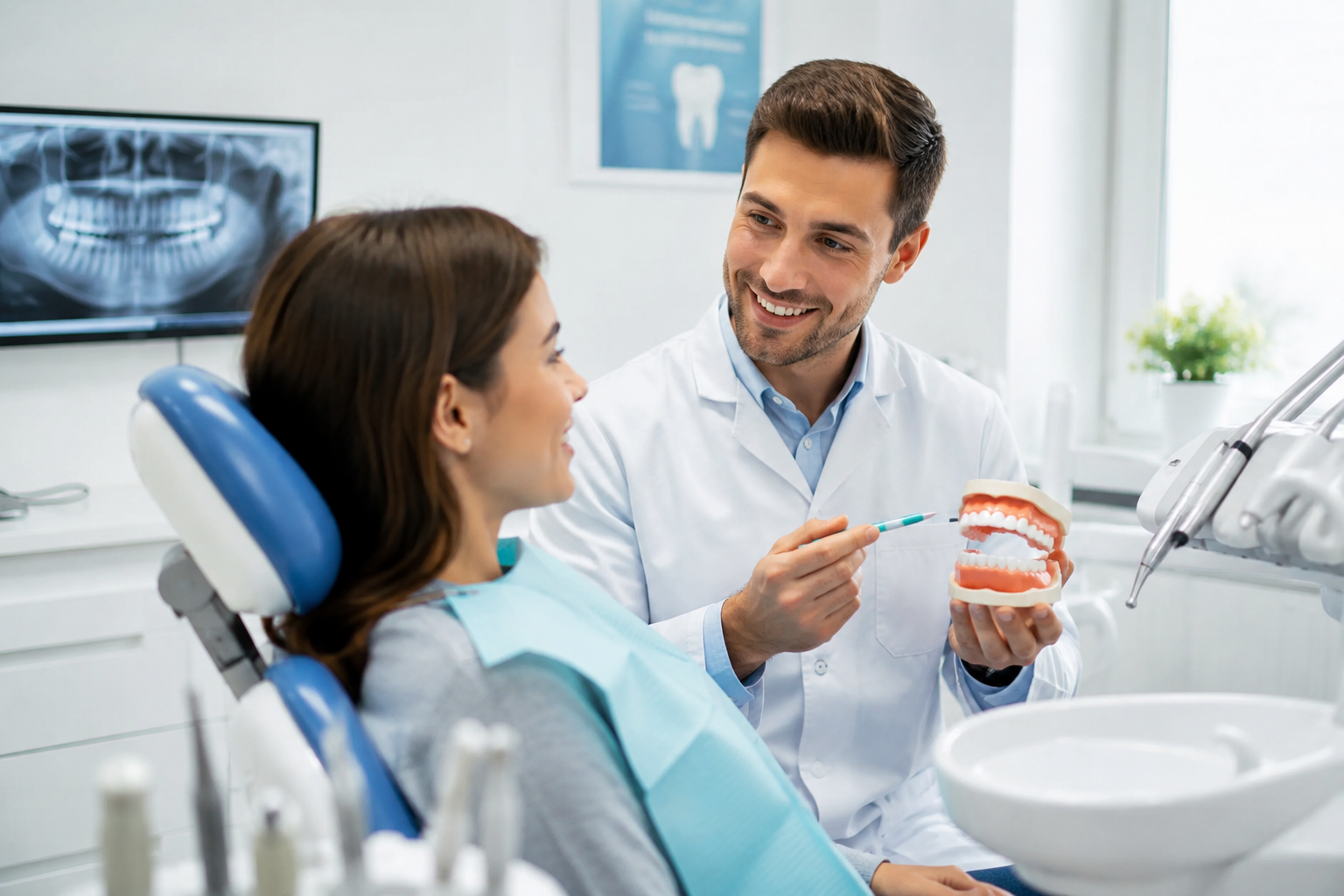
During a cosmetic consultation, the dental team may discuss the patient’s goals, review oral health history, examine the teeth and gums, take X-rays or digital images when needed, and explain realistic outcomes. The dentist may also ask what bothers the patient most about their smile. Is it color? Shape? Spacing? A chipped tooth? Old dental work? The answer helps guide the plan.
A good cosmetic plan should consider:
The goal is not to pressure patients into the most complex treatment. Often, a small change can make a big difference. For example, whitening plus bonding on one chipped tooth may be enough for one patient, while another may benefit from veneers or orthodontic alignment.
A cosmetic consultation is a conversation, not a commitment. Patients can share what they like and dislike about their smile, ask questions, and learn which treatments may be appropriate. Bringing photos of a preferred smile style can be helpful, but the best results are usually those that match the patient’s face, personality, and natural features.
The dentist may evaluate tooth shade, enamel condition, gum health, bite alignment, jaw comfort, and existing restorations. If a patient has sensitivity, bleeding gums, tooth pain, or loose teeth, those concerns should be addressed before starting cosmetic care.
Depending on the treatment, the dentist may discuss preparation steps, number of visits, anesthesia or comfort options, aftercare, and maintenance. Patients should feel comfortable asking about cost, insurance considerations, financing options, and alternatives. Clear communication helps create a plan that feels realistic and comfortable.
Many people hesitate to ask about cosmetic dentistry because they worry treatment will be uncomfortable, complicated, or judged as unnecessary. A patient-centered dental team understands those concerns. Cosmetic dentistry today is often more comfortable and precise than many patients expect.
Digital imaging, improved materials, gentle techniques, and careful planning can help create a smoother experience. For some treatments, little or no numbing may be needed. For others, local anesthesia and comfort-focused care can help patients feel at ease.
It is also important to remember that cosmetic goals are personal. Wanting to feel better about a smile is a valid reason to talk with a dentist. A supportive dental team can explain options without pressure and help patients make informed decisions.
Cosmetic dental work lasts longer when it is supported by daily care and preventive visits. Even the most beautiful restoration needs healthy gums, clean teeth, and a balanced bite to stay in good shape.
Patients can help protect their results by brushing twice a day with fluoride toothpaste, flossing daily, and visiting the dentist regularly for cleanings and exams. Those who drink coffee, tea, or red wine may want to rinse with water afterward to reduce staining. Patients who grind or clench their teeth may benefit from a nightguard to protect veneers, crowns, bonding, and natural enamel.
It also helps to avoid using teeth as tools. Opening packages, chewing ice, or biting fingernails can chip natural teeth and dental materials. Small habits can make a meaningful difference in how long cosmetic improvements continue to look and feel good.
In some cases, a dentist may recommend treating dental health concerns before beginning cosmetic work. This does not mean a patient cannot improve their smile. It simply means the foundation needs attention first.
Cosmetic treatment may need to wait if a patient has active tooth decay, gum disease, untreated infection, severe tooth wear, bite problems, or ongoing oral pain. Addressing these concerns first can lead to better-looking, longer-lasting cosmetic results. A healthy mouth is always the best starting point for a confident smile.
Patients considering cosmetic dentistry options in Lititz, PA may find it helpful to prepare a few questions before their consultation. Good questions can make the decision process clearer and less stressful.
A dentist should welcome these questions. The more a patient understands, the more confident they can feel about their next step.
No. Cosmetic dentistry can be as simple as whitening teeth, smoothing a small chip, or replacing an old filling with a tooth-colored one. Many patients want subtle improvements that still look like their natural smile.
Many cosmetic treatments involve minimal discomfort. Whitening may cause temporary sensitivity for some patients, while procedures like crowns or veneers may require local anesthesia. A dentist can explain comfort options and what to expect for each treatment.
Longevity depends on the treatment, materials used, oral hygiene, bite habits, and lifestyle. Whitening may need touch-ups, bonding may require maintenance, and veneers or crowns can last for many years with proper care. A dentist can provide more specific guidance after an exam.
Many yellow or stained teeth respond well to professional whitening, but not all discoloration improves the same way. Stains from certain medications, trauma, or internal tooth changes may need other options, such as bonding, veneers, or crowns.
Neither option is automatically better. Bonding is often more conservative and can be ideal for small repairs. Veneers may be more durable and stain-resistant for larger cosmetic changes. The right choice depends on the patient’s goals, tooth condition, and budget.
Minor alignment concerns may sometimes be improved with bonding or veneers, but clear aligners or orthodontic treatment may be a healthier choice when teeth need to be moved. A dentist can evaluate whether the concern is cosmetic, functional, or both.
Insurance coverage varies. Treatments considered purely cosmetic are often not covered, while procedures that restore health or function may have partial coverage. Patients should ask the dental office for help understanding benefits and estimated out-of-pocket costs.
Exploring cosmetic dentistry options in Lititz, PA is an exciting first step toward feeling more comfortable with a smile. Whether a patient is interested in whitening, bonding, veneers, crowns, clear aligners, or a complete smile makeover, the best plan starts with a careful conversation and a healthy foundation.
Mor Smiles offers a friendly place for patients to ask questions, discuss goals, and learn what modern cosmetic dentistry may be able to do for their smile. Anyone who is curious about improving the look of their teeth can schedule a consultation and take the next step at a comfortable pace.