
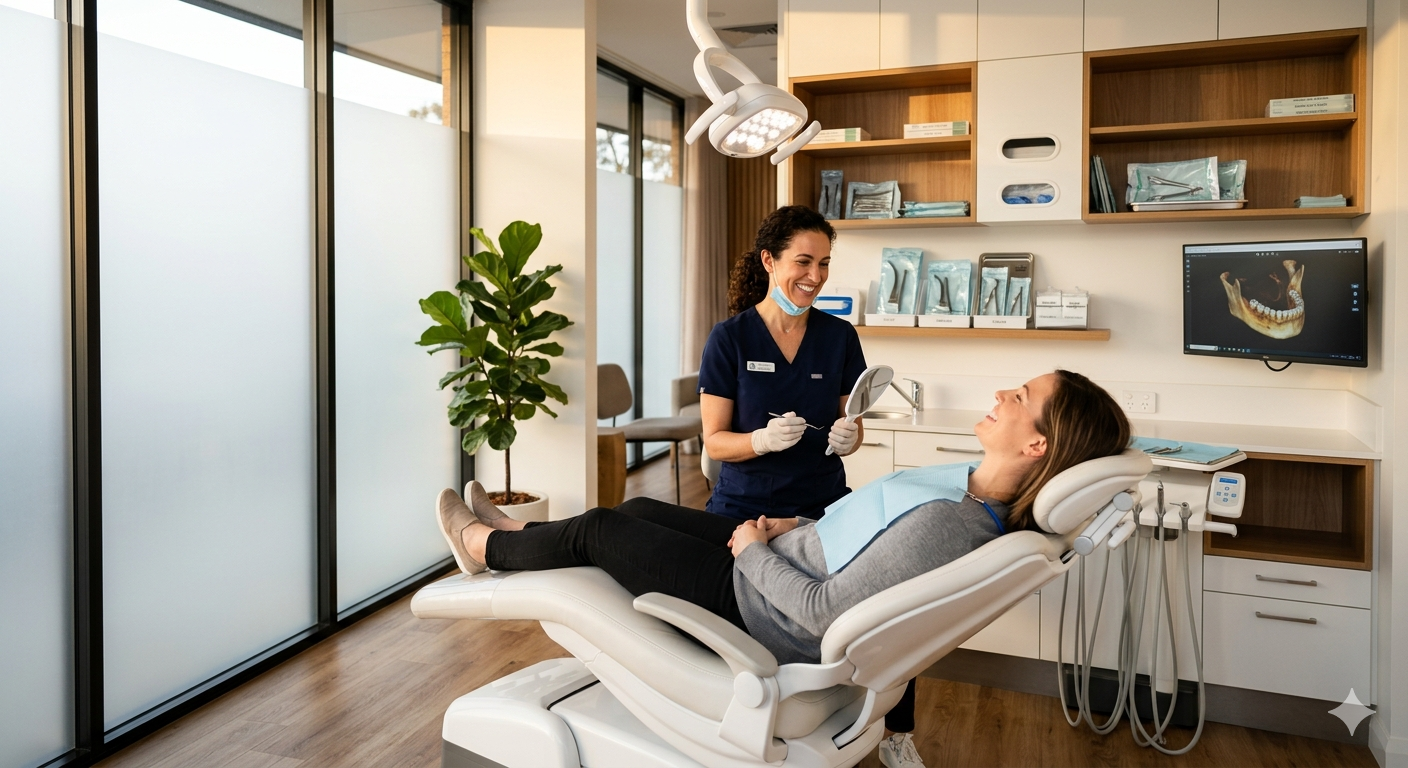
Sedation dentistry in Lititz, PA, offers a calm and comfortable way to handle dental visits that might feel stressful or intimidating. It helps patients relax during treatments, easing anxiety and reducing discomfort without putting them fully to sleep. This approach makes dental care more accessible for those who avoid the dentist due to fear or sensitive treatment needs.
Many people don’t realize how safe and effective sedation dentistry can be with modern methods. Whether it’s a simple cleaning or a more involved procedure, sedation options are tailored to each patient’s needs to maximize comfort and minimize stress. This means visits become more manageable, allowing patients to get the care they need without fear.
For anyone nervous about their next dental appointment, sedation dentistry can be a game changer. By addressing anxiety head-on, it opens the door to healthier smiles and better overall dental health. Patients in Lititz are encouraged to talk with their dental provider to find the sedation method that’s best for them.
Sedation dentistry offers several options tailored to patient comfort and treatment needs. Each method varies in how deeply it relaxes the patient and the level of control dentists maintain during procedures. Understanding these differences helps patients choose the safest, most effective option.
Mild sedation usually involves oral medications or nitrous oxide (laughing gas). It helps patients feel calm but awake, allowing for clear communication during treatment. This level is ideal for those with mild anxiety or sensitive teeth.
Moderate sedation puts patients into a relaxed state where they may not fully remember the procedure but can still respond if needed. This often involves oral or intravenous (IV) medications. It suits patients with moderate anxiety or longer procedures.
Deep sedation renders the patient almost unconscious but still breathing independently. It typically requires IV drugs and close monitoring by dental staff. This is reserved for highly anxious patients or those undergoing complex surgeries.
| Sedation Level | Method | Patient State | Common Use Cases |
|---|---|---|---|
| Mild | Nitrous Oxide, Oral | Relaxed, fully conscious | Minor treatments, mild fear |
| Moderate | Oral, IV | Deep relaxation, limited awareness | Lengthy procedures, anxiety |
| Deep | IV | Near unconsciousness, monitored | Complex surgeries, severe anxiety |
Mild sedation suits people with low dental anxiety or those who dislike specific sensations like the sound of dental drills. It’s also safe for children and adults needing short treatments.
Moderate sedation fits patients with moderate anxiety, a sensitive gag reflex, or those undergoing longer or multiple procedures. It helps maintain comfort without full unconsciousness.
Deep sedation is recommended for patients with extreme fear, special needs, or complex oral surgery cases. It requires health screening to ensure safety.
Dentists assess medical history, anxiety level, and treatment complexity to select the best sedation type for each patient.
Many believe sedation causes complete unconsciousness like general anesthesia, but mild and moderate sedation keep patients awake or semi-aware. Patients often feel relaxed and pain-free without losing control.
Some think sedation is unsafe, but when administered by trained professionals, risks are low. Continuous monitoring is standard, ensuring patient safety.
There’s also a misconception that sedation causes memory loss beyond the procedure. In reality, any amnesia effects are temporary and only cover the treatment duration.
Lastly, many assume sedation is expensive. Insurance often covers it, especially when medically necessary, and dentists can help discuss costs upfront.
Sedation dentistry in Lititz offers targeted approaches that tailor comfort and care to each patient’s needs. This helps reduce anxiety, manage complex treatments efficiently, and supports positive experiences for children and adults alike.
Many patients avoid dental visits due to fear or anxiety. Sedation dentistry uses medications to calm nerves, making the experience less stressful. This allows patients to relax or even sleep through the procedure.
By reducing anxiety, patients can receive necessary care without panic or discomfort. It can transform visits from overwhelming to manageable. Dentists in Lititz often use mild sedation options like nitrous oxide or oral sedatives that wear off quickly after treatment.
This approach supports patients who have dental phobia, a low pain threshold, or past traumatic experiences. It also encourages more regular dental visits by improving overall comfort.
Certain dental treatments require longer appointments or multiple steps — like root canals, implants, or extractions. Sedation helps patients stay calm and still throughout these procedures, allowing the dentist to work more efficiently.
With sedation, the dentist can complete complex work in fewer sessions, reducing total treatment time. This minimizes the physical and emotional toll on patients, especially those with difficulty sitting still or managing pain.
Sedation also helps control the gag reflex and unexpected movements, improving precision in treatment. Lititz dental offices use sedation to ensure these procedures are less taxing and more predictable.
Sedation dentistry isn’t just for adults. It’s valuable for children who need extensive dental work or who struggle with cooperation during appointments. Sedation can ease fears and create a safe, calm environment.
For adults with special needs, medical conditions, or severe dental anxiety, sedation makes it easier to access care. It reduces barriers to treatment, helping maintain oral health with fewer delays or missed visits.
This personalized approach helps build trust between patient and dentist. It encourages consistent dental care habits through positive, pain-free experiences. Sedation dentistry in Lititz supports patients of all ages in receiving the care they need comfortably.
Sedation dentistry offers a calm, controlled experience for patients who feel anxious about dental work. The process involves clear steps before, during, and after treatment, designed to keep patients comfortable and safe.
Before the appointment, the dental team reviews the patient’s medical history and discusses sedation options. Patients may be advised to avoid eating or drinking for a few hours before treatment, especially if IV sedation is planned.
During the procedure, the sedation level is adjusted to ensure relaxation without losing consciousness. Patients usually stay awake but feel very calm. Local anesthesia is used with sedation to numb the treatment area and prevent pain.
After the visit, patients might feel groggy or tired for a short time. Someone should drive them home, as coordination can be impaired. The dental staff gives detailed recovery instructions and schedules any follow-up visits needed.
The dental office uses monitoring equipment to track vital signs like heart rate, blood pressure, and oxygen levels throughout the sedation. A trained dental professional remains focused on the patient’s comfort and well-being the entire time.
Sedation protocols comply with safety guidelines from organizations such as the American Dental Association. Emergency equipment and medications are readily available. Staff undergoes regular training to handle any complications swiftly.
This careful monitoring ensures sedation is both effective and secure, allowing patients to receive quality dental care with peace of mind.
Sedation dentistry offers several options to help patients feel at ease during dental procedures. These methods vary in how they are administered and their level of sedation, allowing dentists to tailor comfort based on individual needs.
Oral sedation involves taking a pill, usually prescribed before an appointment, to help reduce anxiety. Common medications include diazepam or triazolam, which create a calming effect without putting the patient completely to sleep.
The level of sedation ranges from mild to moderate, depending on the dosage. Patients remain conscious and responsive but feel relaxed and less aware of the procedure. Oral sedation is often recommended for those with mild fears or those undergoing longer treatments.
One benefit is that it’s easy to administer and does not require an IV. However, patients will need someone to drive them home afterward due to lingering drowsiness.
Nitrous oxide, a mixture of oxygen and nitrous gas, is inhaled through a small mask placed over the nose. It works quickly to ease anxiety and dull pain without causing unconsciousness.
The effects wear off almost immediately when the gas supply stops. This makes it ideal for shorter or less-invasive treatments where quick recovery is important.
It’s safe for most patients and can be adjusted throughout the procedure to maintain comfort. Nitrous oxide is particularly helpful for those who need mild sedation but want to remain alert.
IV sedation delivers medication directly into the bloodstream through a vein, producing a deeper, more controlled level of sedation. Patients often drift in and out of consciousness but usually do not remember much afterward.
This method is suitable for those with significant anxiety or those undergoing complex, lengthy procedures. The sedation level is adjustable, allowing the dentist to respond quickly to patient needs.
Because it affects vital functions more strongly, careful monitoring during the procedure is essential. Patients require someone to escort them home and plan for a longer recovery time.
Understanding a patient’s fear is the first step toward making dental visits less stressful. This involves recognizing individual concerns and offering a supportive atmosphere that prioritizes comfort and clear communication.
Establishing trust begins the moment a patient steps into the office. The dental team in Lititz PA takes time to introduce themselves warmly and listen carefully to any anxieties or past experiences that might influence a patient’s feelings about treatment.
By explaining procedures clearly and patiently, the team helps break down fears tied to the unknown. They encourage patients to ask questions and voice concerns anytime, ensuring they feel heard and respected. This personalized attention fosters a connection that eases tension before treatment even begins.
The office environment reflects a patient-first approach, designed to reduce anxiety from the moment of arrival. Soft lighting, comfortable seating, and soothing sounds combine to create a space that feels safe and inviting.
Small touches, like offering blankets or noise-canceling headphones, show attention to individual comfort. Staff members remain attentive to patient needs throughout the appointment, checking in regularly to adjust care and maintain calm. This proactive approach transforms dental visits from a source of stress into manageable, positive experiences.
Being ready for your sedation dentistry appointment helps the entire process go smoothly. Knowing what to expect before and after treatment can ease nerves and improve recovery.
Patients should arrange for a responsible adult to drive them home since sedation affects coordination and judgment. It’s important to avoid eating or drinking for at least six hours before the appointment to reduce the risk of nausea during sedation.
Wearing comfortable clothing without tight collars is helpful. They should share their full medical history, including medications and allergies, with the dental team. This ensures the sedation method suits their specific health needs.
Clear communication about any fears or previous sedation experiences also allows the dentist to tailor comfort measures. Bringing a list of questions or concerns is encouraged to feel informed and assured.
After sedation, patients might feel groggy or slightly confused for a few hours. Resting in a quiet, safe place is recommended until full alertness returns. Drinking water and eating light food when ready aids hydration and energy.
Avoid operating machinery, making important decisions, or signing legal documents for the rest of the day. Pain or soreness at the treatment site is normal, but following prescribed medication guidelines helps manage discomfort.
If dizziness or unusual symptoms occur, contacting the dental office immediately is crucial. Keeping follow-up appointments allows the dentist to monitor healing and address any questions or concerns.
Finding the right sedation dentist means focusing on experience, patient comfort, and clear communication. Knowing what qualities to seek and what questions to ask during a consultation helps patients make informed decisions and feel confident about their dental care.
A sedation dentist should have specialized training in sedation methods approved by dental boards. This includes familiarity with nitrous oxide, oral sedation, and IV sedation, depending on your needs. Look for a dentist who prioritizes safety, including proper patient monitoring throughout the procedure.
Compassion and patience are essential traits, especially for patients with dental anxiety. A friendly team that explains each step clearly can help ease worries. Modern equipment and a clean, comfortable office also show a commitment to high-quality care.
Ask about the types of sedation offered and why a specific method might suit your situation. Inquire about safety protocols, including monitoring during and after treatment.
Find out if the dentist has experience treating patients with similar concerns or health conditions. Clarify recovery expectations and any special instructions you’ll need to follow. Remember to ask about costs and insurance coverage for sedation services to avoid surprises later.
Many dental insurance plans offer some coverage for sedation dentistry, but the amount can vary widely. Patients should check with their insurance provider to understand their specific benefits related to sedation services.
Typically, insurance covers sedation when it is deemed medically necessary or part of a more complex procedure. For basic sedation, like nitrous oxide (laughing gas), coverage is more common, while deeper sedation might require additional approvals.
Here’s a quick overview of what to ask about insurance:
Dental offices in Lititz, PA, often provide detailed cost estimates before treatment. Some also offer payment plans or financing options to make sedation dentistry more accessible.
These flexible plans can help spread out the cost over time, easing upfront financial concerns. Patients are encouraged to discuss payment options openly with their dental team.
Understanding insurance and financial details ahead of time helps patients feel more comfortable. It’s always a good idea to reach out with questions to find a plan that works for both care and budget.
After learning about sedation dentistry in Lititz, PA, the next step is to decide what feels right for your comfort and health needs. A visit to a trusted local dentist can help clarify any concerns and explore which sedation options fit best.
Patients are encouraged to prepare for their appointment by jotting down questions or fears they want to discuss. Clear communication with the dental team makes it easier to customize care and ease anxiety.
Here’s a simple checklist to start:
Taking a proactive role in your dental care helps build confidence and control. Remember, sedation dentistry is a tool designed to improve comfort—not replace good oral hygiene and regular check-ups.
If unsure, simply reach out to your dental office. They can provide guidance tailored to your unique situation and help you feel comfortable every step of the way.
Sedation dentistry helps patients stay calm and comfortable during treatments. It can be tailored to fit individual needs, covering everything from mild relaxation to deeper sedation.
Yes, patients are encouraged to discuss any anxiety or discomfort with their dentist. They can explain different sedation choices and work together to find the best fit for comfort.
Sedation levels vary. Some options keep patients awake but very relaxed, while others cause light or deep sleep, depending on the type used and the procedure.
Sedation is generally safe when administered by trained professionals. It can help control anxiety and reduce gag reflex, making treatment more manageable.
Preparation may include fasting for several hours before the appointment. Recovery times differ but usually involve resting quietly for a few hours under supervision before returning to normal activities.
Sedation can be used for a wide range of procedures, including fillings, root canals, extractions, and dental implants. It’s especially helpful for longer or more complex treatments.
Dentists assess health history, anxiety levels, and the procedure’s complexity. They discuss options and explain the sedation approach before starting treatment, ensuring patient comfort and safety.